



Kim Pomares had a successful graphic design company. He made things beautiful for a living.
Then his mother asked for help. She was managing a clinic treating severe neurological conditions with sensory enrichment therapy. Government funding kept increasing because she seemed to be the only one getting results. More cases kept coming. She needed someone to help her grow and manage it.
Kim joined to help with operations. What he saw changed everything. Story after story of recovery across severe seizure disorders, dementia, Parkinson's, and stroke. He couldn't go back to drawing logos.

If you're building a therapeutic platform, telehealth business, or health-focused membership site, Kim's experience building software for Mendability offers lessons about mission-driven development, costly mistakes, and designing for vulnerable populations.
The Mission: Making People Feel Safe First
Most autism therapies focus on fixing behaviors through drills, hours of training, and forcing compliance.
Kim saw something different. The first goal wasn't behavior change. It was making people feel comfortable. His philosophy: all problems come from bad decisions based on fear. When people do Mendability's program, they become relaxed, confident, and willing to take risks they avoided before.
Mendability uses Sensory Enrichment Therapy (SET), quick family-based activities done at home. According to their research, children adding SET to existing programs were 6 times more likely to improve by 5 points or more on the Childhood Autism Rating Scale.
The protocol takes 15 minutes. A scent the child likes paired with pleasurable tactile stimulation. Done three times as a family activity.
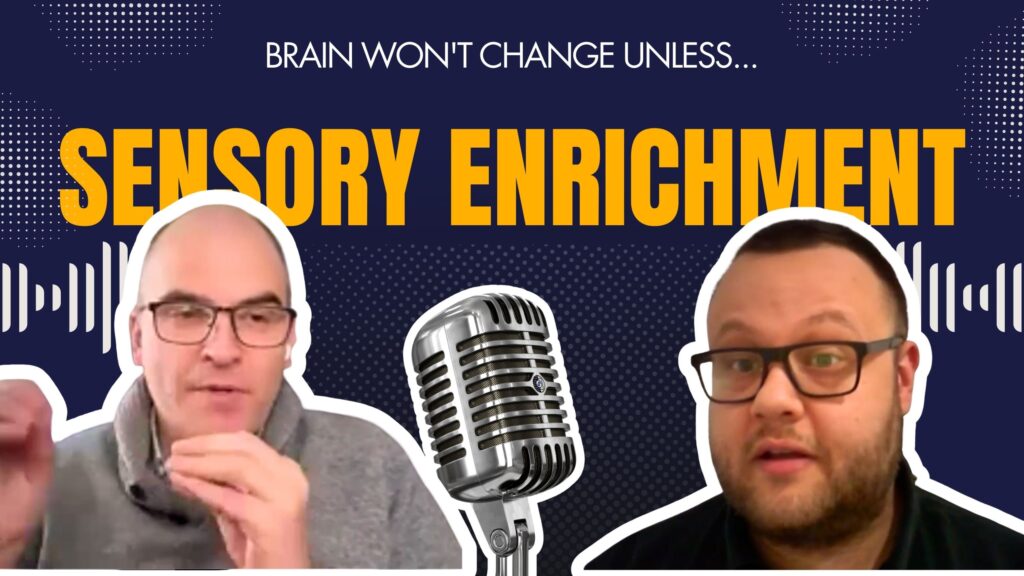
The brain science: smell stimulates the olfactory bulb (triggering dopamine for motivation and pleasure), touch induces serotonin (helping with control and regulation), and combining them releases norepinephrine, creating what Kim calls a hyperplasticity state where the brain enters hyper-learning mode.
Within days, kids request the activities themselves. Parents report children who used to melt down after school now ask for the exercises. One mother, three days into the program, said her child spoke the words “I love you, mom” for the first time while doing the protocol.
This philosophy became the foundation for building a therapeutic platform: design experiences people want to do, not just need to do.
The Mistake: Hiring Cheap Developers
When they decided to build software to automate and scale, they made the classic founder mistake. They thought the build was straightforward, so they found the cheapest freelancer online who seemed to have the right skills.
For three months, it kept breaking. They had enough coding experience to see the mess being created in the codebase.
They scrapped it entirely. Hired someone with a PhD in biometrics to work as their software architect. The work was below his skill level, but he bought into the mission of helping people with neurological conditions.
Kim's assessment: it looked more expensive upfront, but the cheap route was pouring money down the drain.
The lesson: when you're serving vulnerable populations with severe conditions, broken software destroys credibility. You can't afford to go cheap on core technology. Invest properly from the beginning or pay for it in lost time and lost trust.
The Design Choice: Family Engagement Over Speed
Mendability's sensory exercises could be completed in 5 minutes per child. They deliberately designed them to take 15 minutes as a family activity.
Each protocol happens three times. Parent does it with a sibling while the child watches. Parent does it on themselves while the child watches. Then the child participates.
The design creates oxytocin bonding. Many autistic children struggle to regulate oxytocin, the chemical that strengthens human connection. When families do pleasurable physical activities together, the brain releases oxytocin. The therapy becomes relationship-building, not just intervention. Kim describes it as strengthening family bonds because the brain is stimulated and wants to change.
For platforms serving families: retention happens when your program becomes something people want to do together, not something they have to get through alone. Engineer for relationship strengthening, not just content delivery.
The Validation: Why Evidence Matters
Kim knew from day one that clinical validation wasn't optional. They would need randomized control trials and automation to help more people benefit efficiently.
Mendability runs continuous studies. They've worked with autism, seizure disorders, Parkinson's, stroke, and dementia cases.
The upcoming study Kim is most excited about: brain imaging comparing sensory enrichment therapy to leading behavioral therapies in teenagers with autism. Animal studies already show which brain systems change with sensory enrichment. The imaging will confirm whether humans show the same changes. Kim believes this evidence will open doors that remain closed.
For therapeutic platforms, hard scientific evidence isn't optional. It's the pathway to credibility. Clinical validation comparing your approach to established treatments is what convinces skeptical decision-makers and builds trust with families.
What It Takes to Build a Therapeutic Platform
Building a therapeutic platform isn't the same as building a standard membership site or eLearning business. The stakes are higher. The users are more vulnerable. The validation requirements are stricter.
Kim's favorite story illustrates why: a late-stage Parkinson's patient, completely frozen and unable to move, came in for his first session. He'd been silent for an hour. Then they did the first protocol. He smelled something he liked, felt gentle touch, and said his first words of the session: “This feels so good.”
Kim describes this as the first purpose of the program – making people feel good before trying to fix anything else.
What stands out from Kim's experience:
Mission clarity attracts talent. Kim's mission is simple: as long as people exist who don't know Mendability exists, he hasn't succeeded. That conviction convinced a PhD to take on work below his pay grade. The impact matters more than the resume line.
Cheap development costs more. Three months of broken code taught Kim to invest properly from the start. When your users are struggling with severe conditions, you can't afford software failures.
Design for relationships, not individuals. The family-centered approach turned therapy into bonding time. Retention follows when your platform strengthens connections between people.
Evidence opens doors. Clinical trials and brain imaging studies aren't optional for therapeutic platforms. They're the pathway to institutional credibility and user trust.
Make people feel safe first. If Kim could put one message on a sticky note for every overwhelmed parent, it would be that. Safety before behavior change. Comfort before compliance. The rest follows.
Kim's work grew through evidence-based results and a simple philosophy: the brain only changes when it wants to. Give it a reason. Make people feel safe. Design experiences they request, not resist.
Learn more about Kim Pomares and his work here: https://www.mendability.com
About MemberFix Radio:
We interview experts and share insights for membership site owners and subscription business leaders building sustainable, profitable recurring revenue models.
Running a WordPress membership or eLearning site?
MemberFix provides managed WordPress operations for membership, eLearning, and community platforms — so your team never has to worry about the tech breaking during a launch or losing members to site issues. We handle development, support, updates, and monitoring with SLA-backed guarantees. Trusted by industry leaders like Echelon Front, TechServe Alliance, and hundreds of others since 2014.
Book a free ops assessment at https://memberfix.rocks/contact